
Humpback Whale
HUMPBACK WHALE
Megaptera novaeangliae
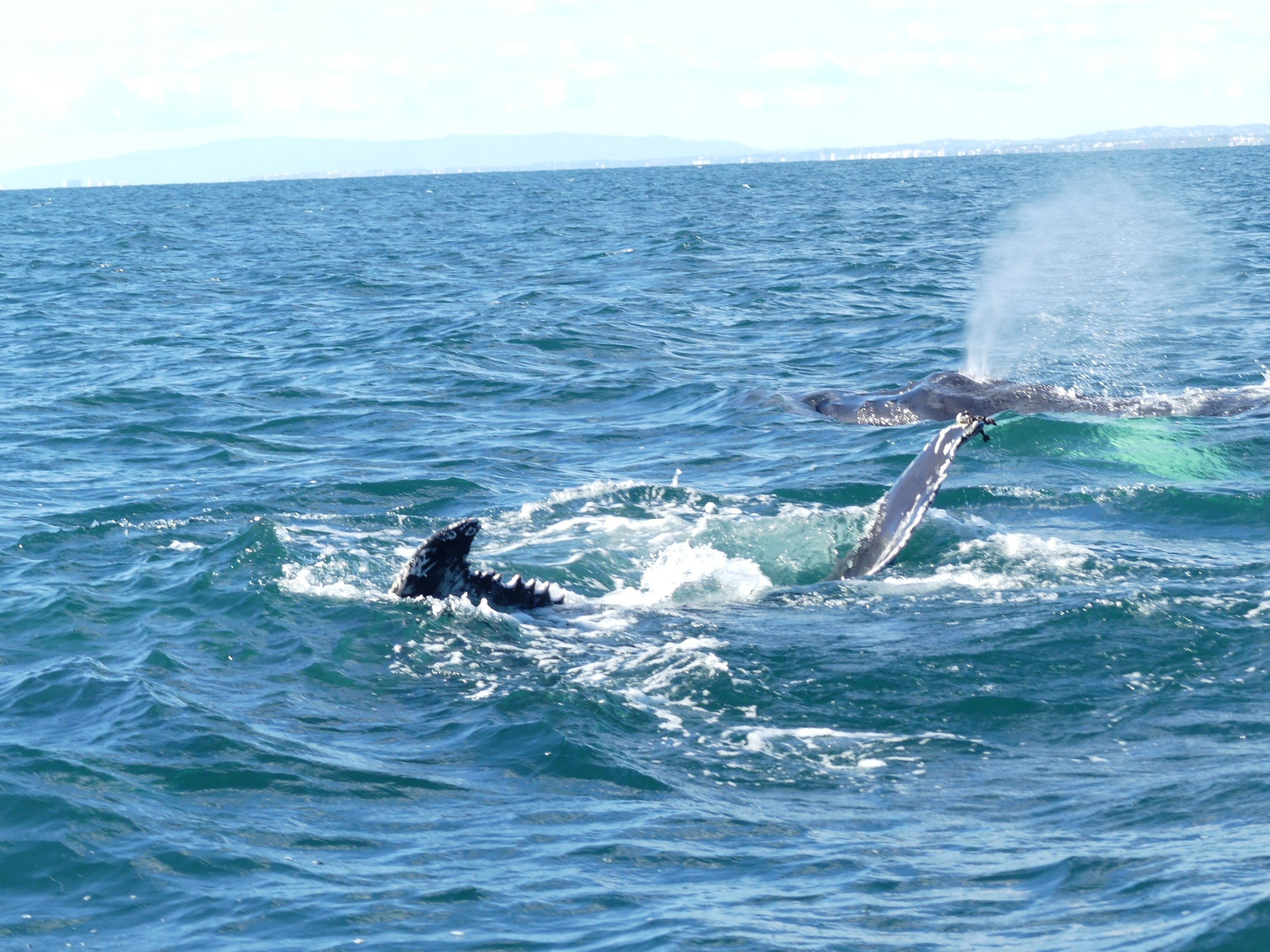
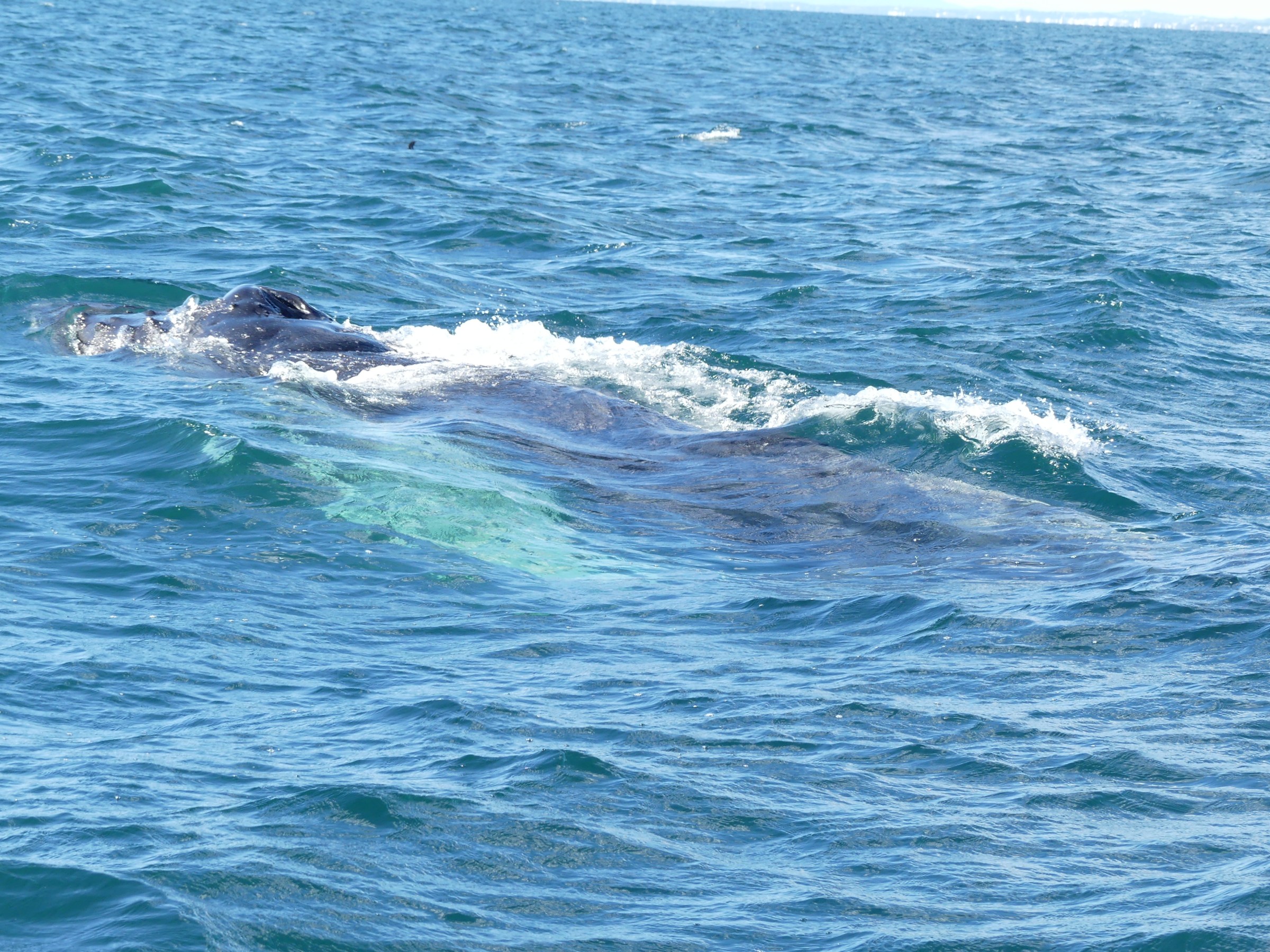
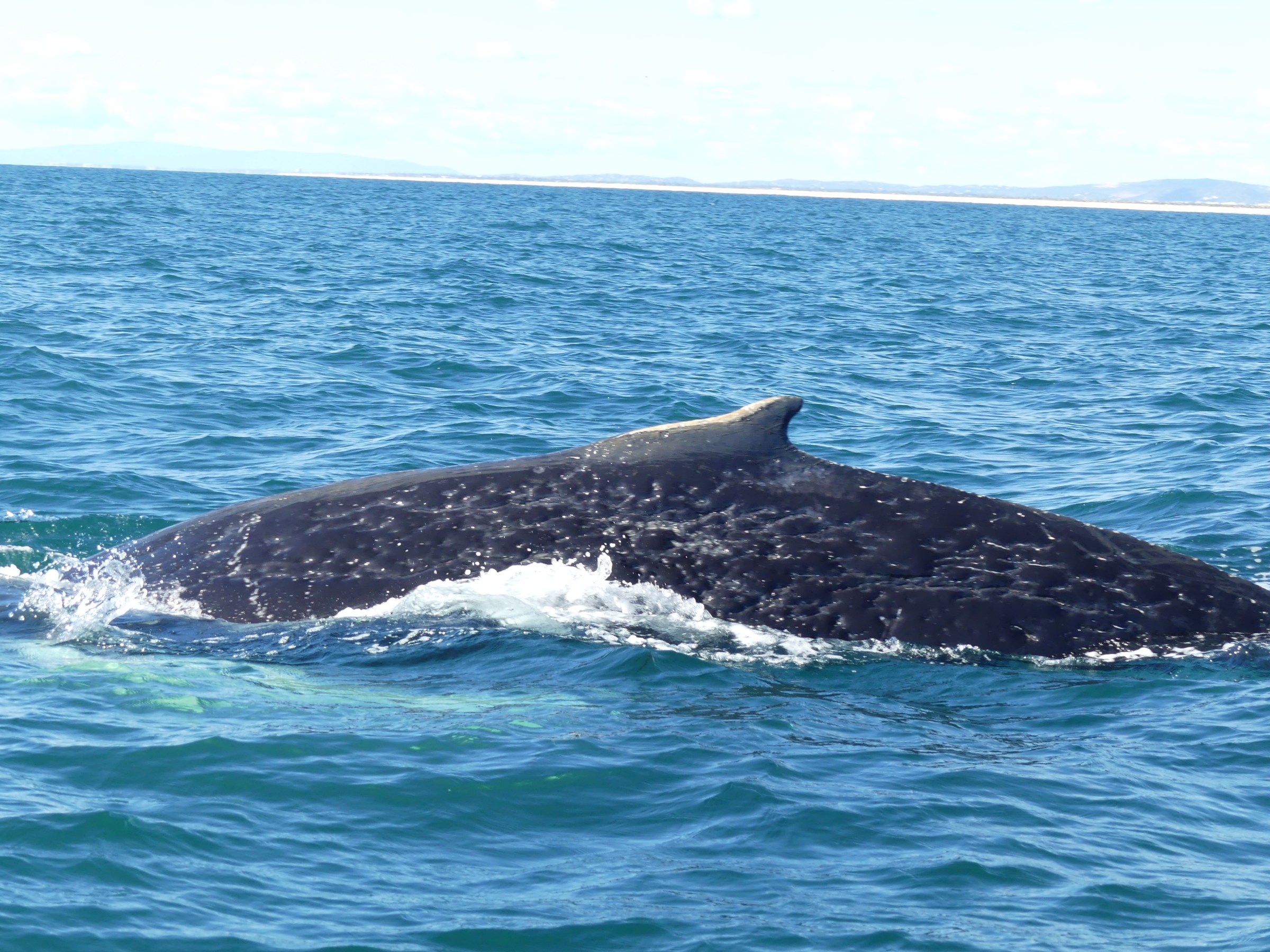
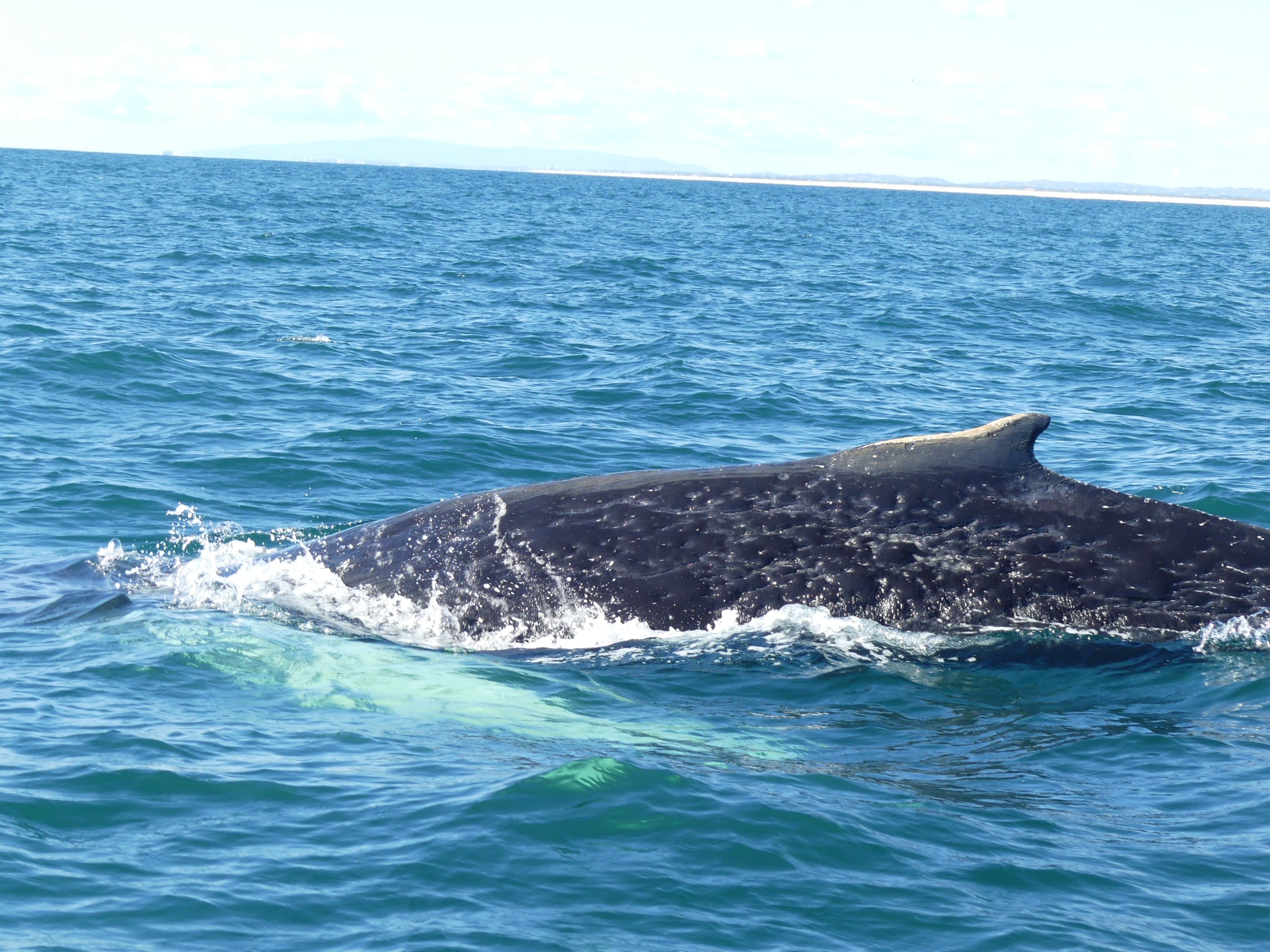
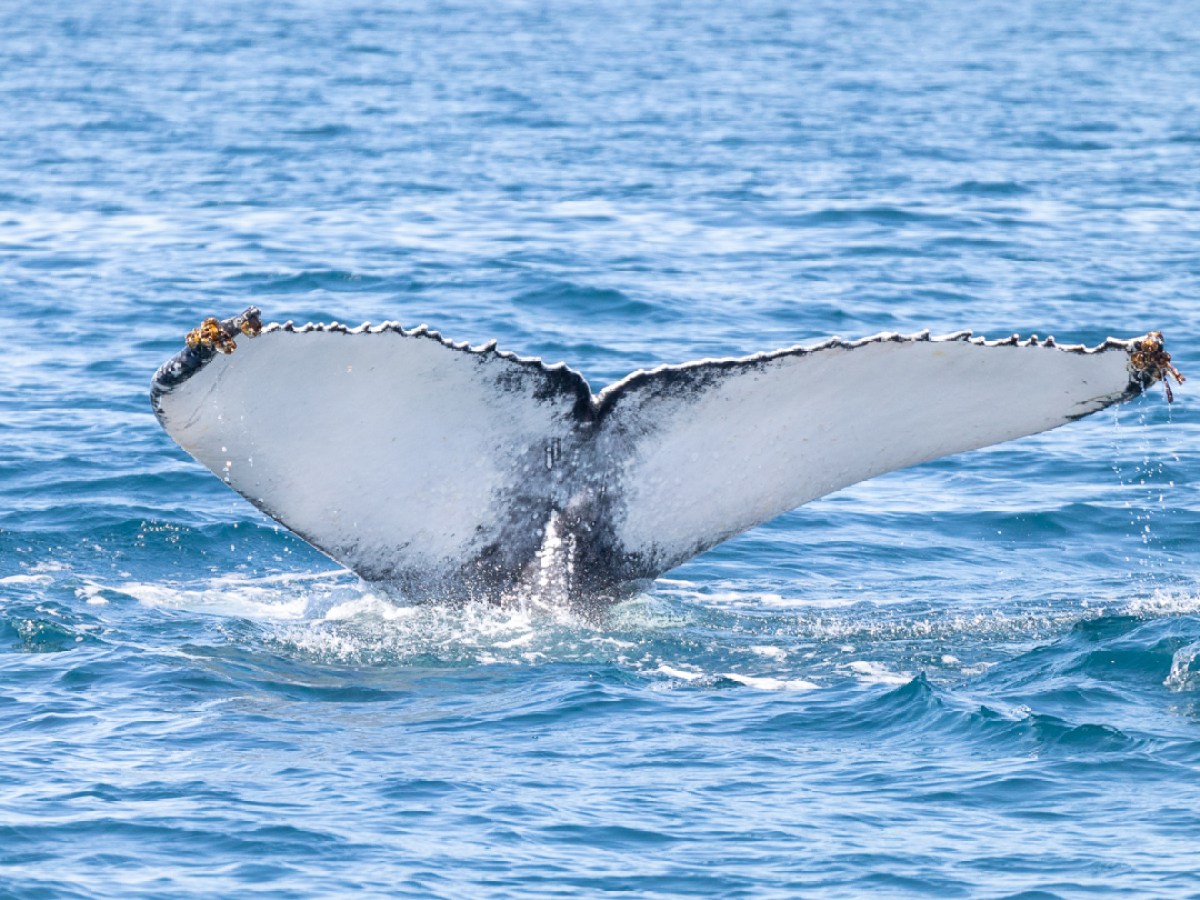
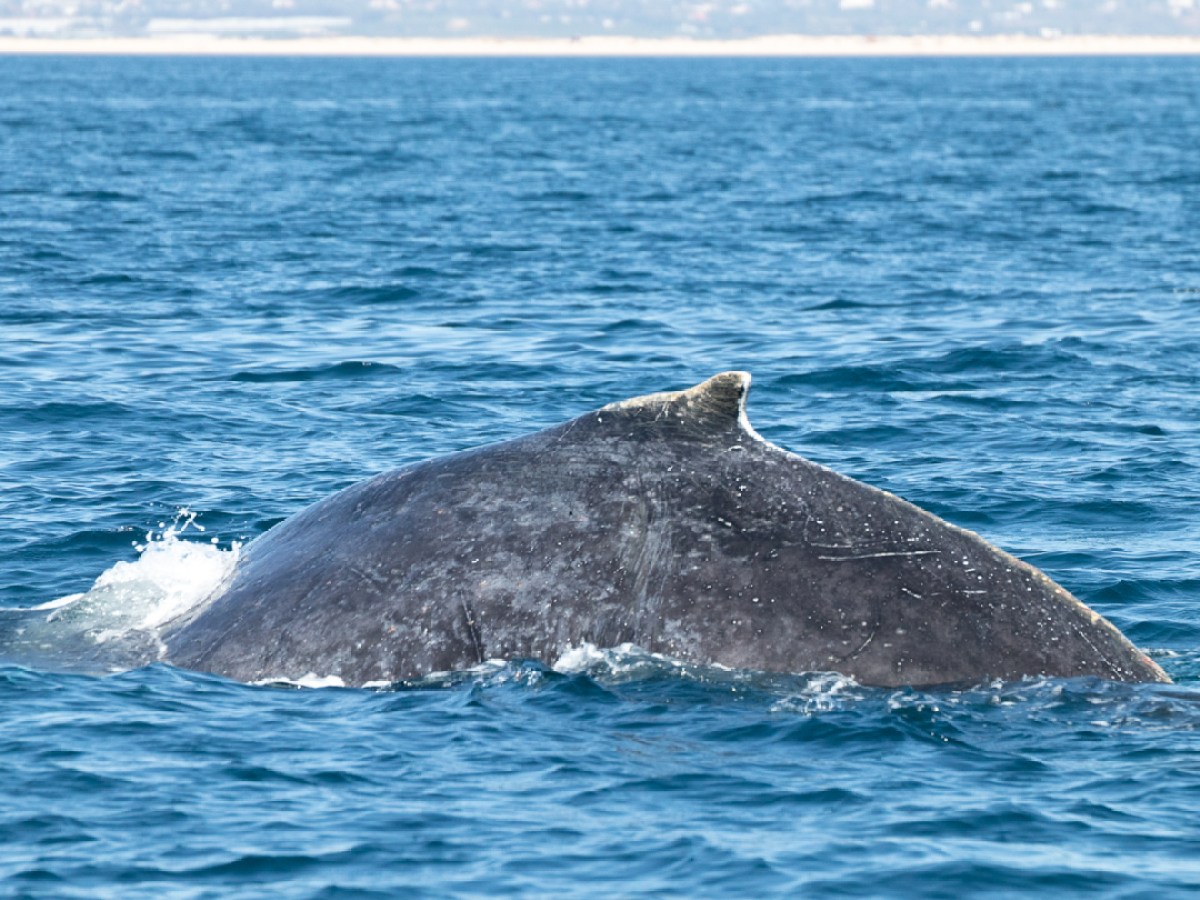
The Humpback Whale is one of the most recognisable large whales, known for its exceptionally long flippers, which can reach up to one-third of its body length. The top of the head is covered with small rounded tubercles, and the tail flukes display distinct black-and-white patterns unique to each individual. Its blow is tall and bushy, and before a deeper dive the whale arches its back and typically lifts the tail flukes clear of the water.
Humpbacks are also famous for their acrobatic behaviour, especially breaching, in which they propel much of the body out of the water before landing with a loud splash. They undertake extensive migrations between high-latitude feeding grounds and tropical breeding areas. Their diet consists mainly of krill and small schooling fish, captured through several feeding techniques, including the well-known “bubble-net” method, where whales release curtains of bubbles to concentrate prey before lunging upwards with their mouths open.
In Portuguese waters, including the Algarve and offshore areas near Faro, the species occurs only occasionally. Sightings at sea and a small number of strandings confirm that humpback whales do pass through the region during their large-scale seasonal movements, even though they are not regularly observed here.