
Research and Responsible Marine Tourism
At Ocean Vibes Algarve, we combine responsible marine tourism with scientific research to advance knowledge of cetacean ecology along the Algarve coast. Whale & dolphin watching activities provide a platform for opportunistic, long-term data collection on species presence, distribution, group structure and behaviour.
In addition, we conduct dedicated scientific surveys using tools such as UAVs (drones) and underwater hydrophones, allowing the collection of high-quality visual and acoustic data while minimising disturbance to the animals. Our research also includes opportunistic data collection on marine turtles and elasmobranch species.
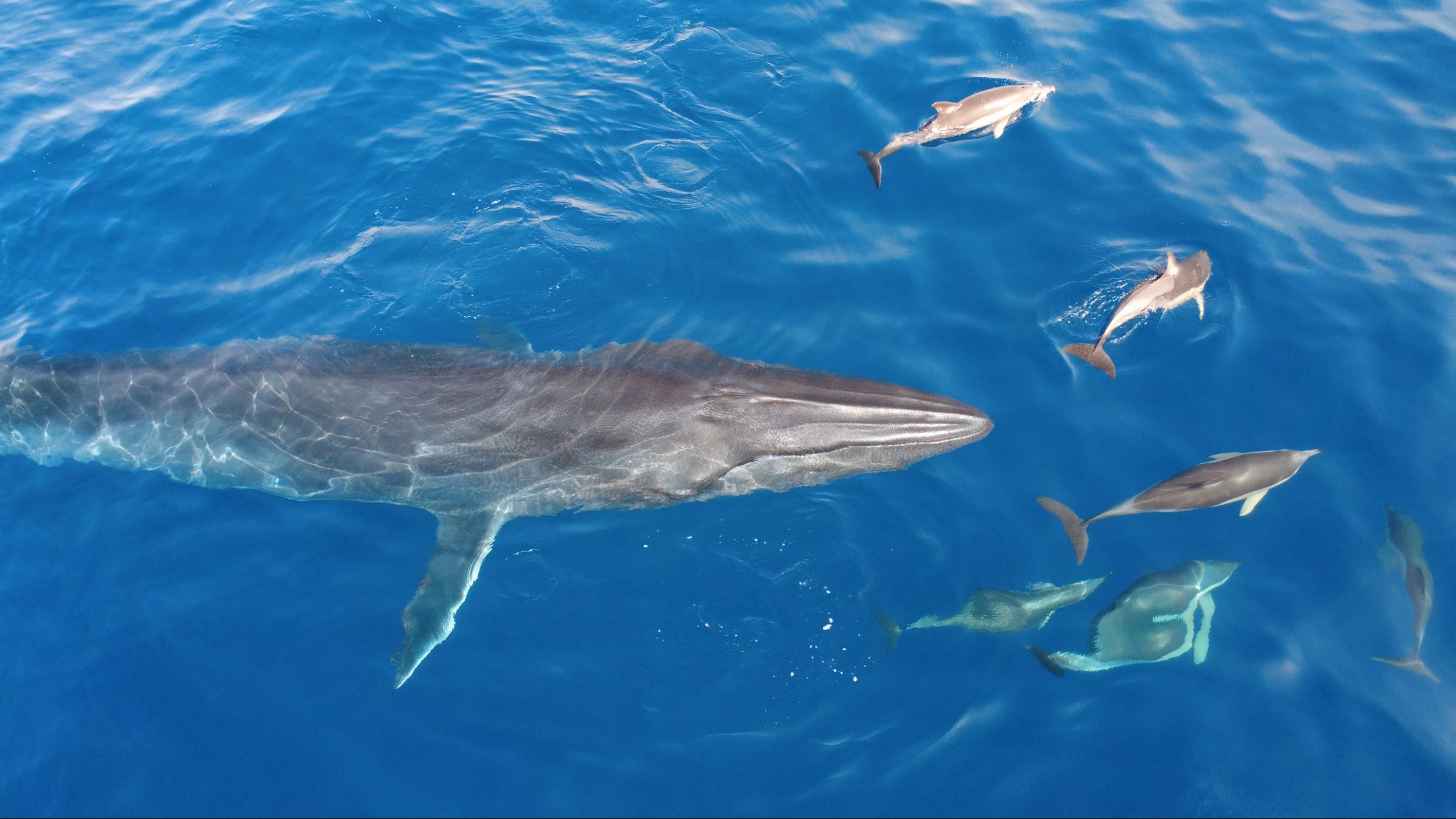
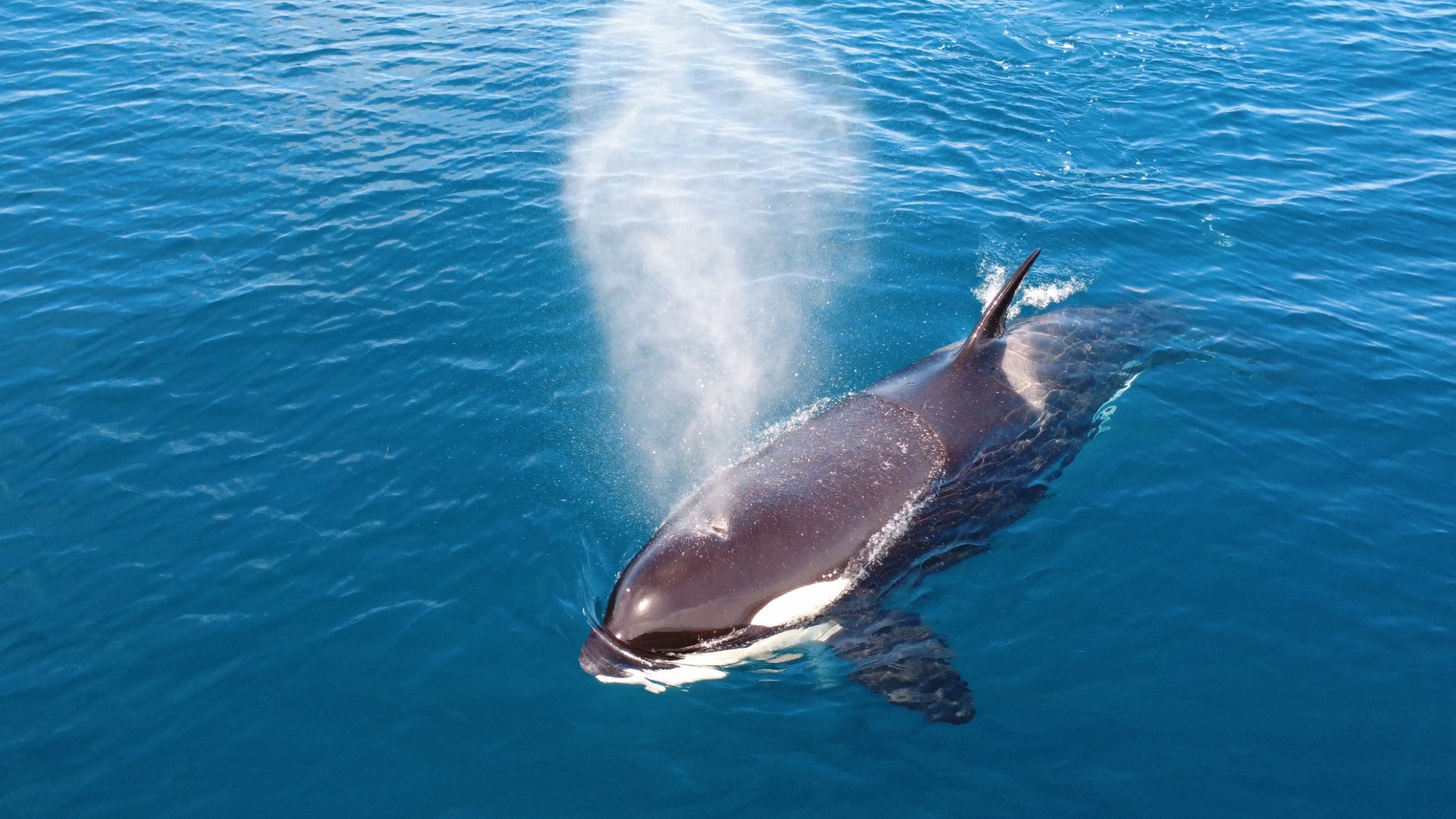
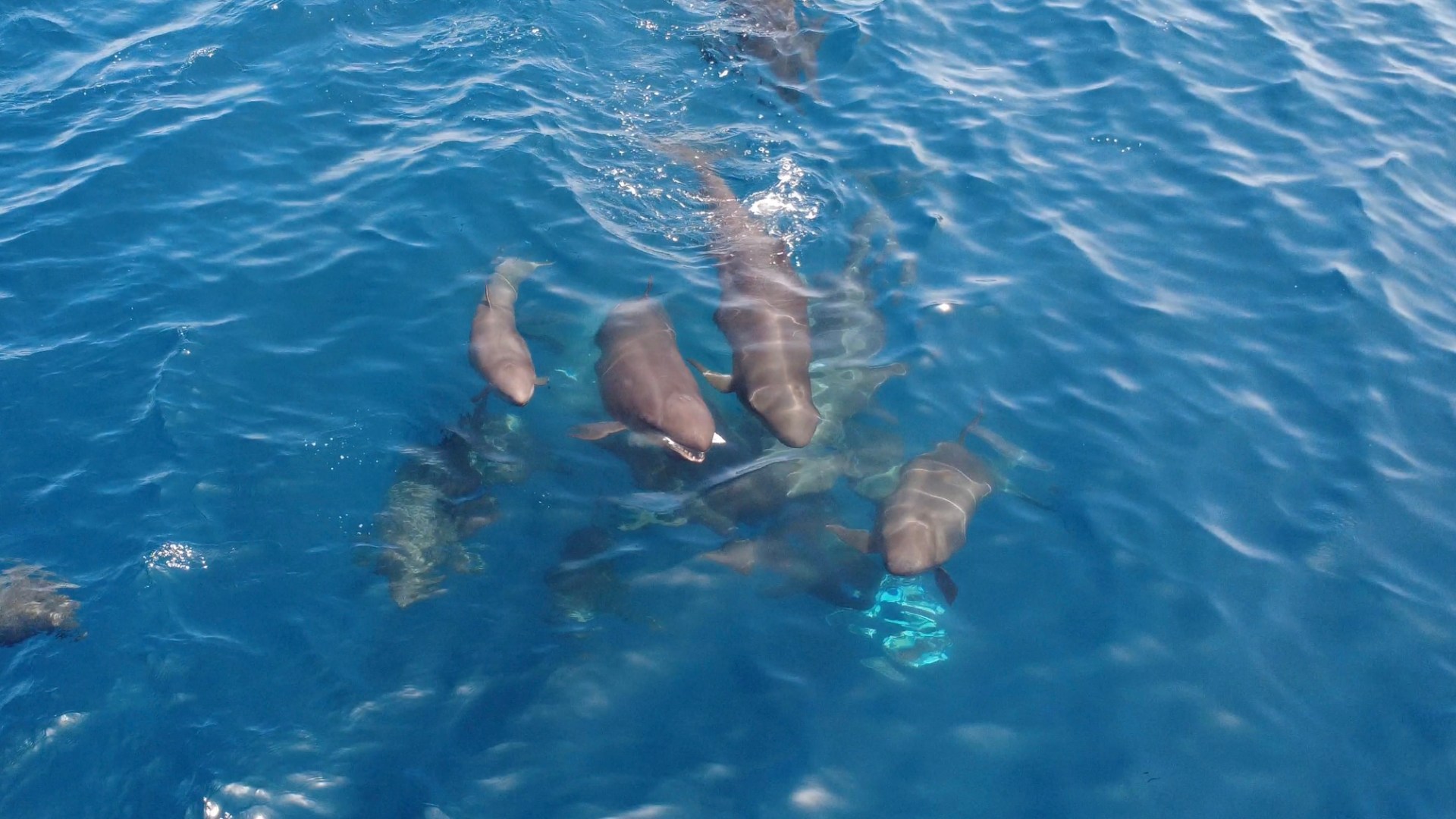
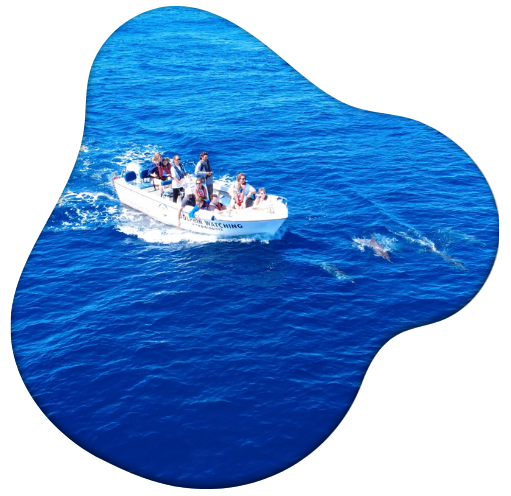
Photo-Identification (Photo-ID)
Photo-identification is a key method used to study individual cetaceans in the wild. By photographing distinctive natural markings — such as dorsal fin shapes, nicks, scars or pigmentation patterns — we are able to identify and re-identify individual animals over time.
This technique allows us to:
- Monitor individual movements and site fidelity
- Study population structure and social associations
- Estimate population parameters such as residency and survival rates
Photo-ID data collected during our surveys contribute to long-term catalogues and are shared within scientific collaborations focused on species regularly observed off the Algarve coast, including dolphins and visiting whale species.
Acoustics
Bioacoustic research focuses on the study of sounds produced by cetaceans to better understand their behaviour, communication and habitat use. Using underwater hydrophones, we record vocalisations during both opportunistic encounters and dedicated research outings.
These recordings allow us to:
- Identify species through acoustic features
- Analyse communication patterns and behavioural contexts
- Assess the influence of environmental and anthropogenic noise
Bioacoustic data provide crucial insights into the underwater environment, complementing visual observations and supporting ecosystem-based conservation approaches.
Drones
Unmanned Aerial Vehicles (UAVs), commonly known as drones, are an increasingly important tool in modern marine mammal research. When operated under strict ethical and legal guidelines, UAVs allow for non-invasive aerial observations of cetaceans.
Our drone surveys enable us to:
- Accurately estimate group size and spatial distribution
- Observe surface behaviour with minimal disturbance
- Document body condition and inter-species interactions
- Measure baleen whale’s size
Aerial imagery enhances data quality while reducing the need for close vessel approaches, ensuring both animal welfare and researcher safety.